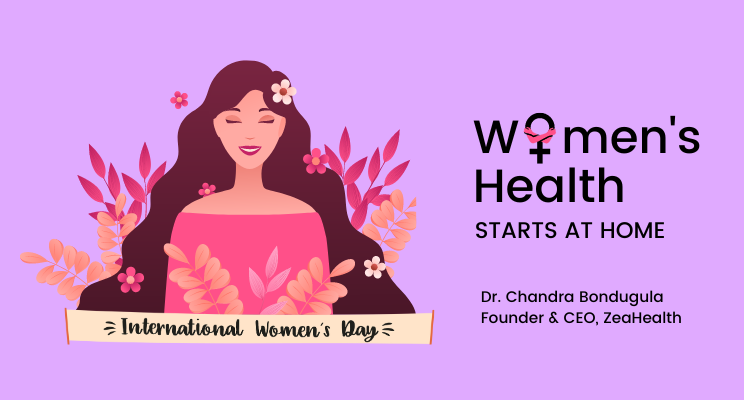
As we celebrate International Women’s Day, it’s important to recognize women’s vital role in society and the importance of prioritizing their health and well-being. Too often, women often find themselves balancing multiple roles and responsibilities, from caregivers to professionals. However, amid daily hustle and bustle, women must carve out time to focus on their health. By prioritizing self-care, women can better equip themselves to handle the demands of their daily lives and contribute to the well-being of their families and communities.
This year, Dr. Thomas J. Nasca, CEO of the Accreditation Council for Graduate Medical Education (ACGME), emphasizes that promoting women’s health should start at home. He stresses the importance of creating a culture of wellness within the house, a foundation that empowers women to prioritize their health needs.
Here are some simple steps women can take to prioritize their health at home:
Prioritize Physical Well-being
Encourage movement and exercise by turning your living room into a makeshift gym or organizing family walks and outdoor activities. You can also dedicate a space for exercise with a yoga mat and resistance bands, even if it’s just a corner. Aim for at least 30 minutes of moderate intensity exercise most days of the week.
Create a Healthy Kitchen
Stock your pantry with nutritious staples like fruits, vegetables, whole grains, and lean proteins. Limit processed foods and sugary drinks.
Prioritize Sleep Hygiene
Create a calming bedtime routine to ensure restful sleep. This includes setting a regular sleep schedule, establishing a relaxing bedtime ritual, and creating a sleep-conducive environment in your bedroom. Aim for 7-8 hours of quality sleep each night.
Prioritize mental well-being
Mental and emotional wellness are equally essential components of women’s health. Create relaxation, mindfulness, and stress reduction opportunities within the home environment. Take time for self-care activities that promote mental health, such as meditation, journaling, or engaging in hobbies you enjoy. Encourage open communication and emotional support within the family unit. Seek professional support when needed.
Regular Check-ups and Screenings
An essential aspect of prioritizing women’s health is staying proactive about screening tests and understanding common health concerns. Early detection and preventive measures can significantly reduce the risks of chronic diseases and improve quality of life.
Cancer Screenings:
- Breast Cancer: Breast cancer is the most common cancer in women in the US. Mammograms are crucial for the early detection of breast cancer. Women aged 40 and above should typically undergo regular mammograms, although the frequency may vary based on individual risk factors.
- Cervical Cancer: Pap smear tests are essential for detecting cervical cancer early. Women should start getting regular Pap smears at age 21 and continue as their healthcare provider recommends. HPV testing may also be recommended with Pap smears for specific age groups.
Early detection can prevent the risk of any cancer and save the lives of millions of women.
Heart Health Screenings:
Heart disease isn’t just a male issue—it’s a leading cause of death among women worldwide. Women may experience symptoms differently, such as shortness of breath, fatigue, nausea, or jaw/back pain. Adopting a healthy lifestyle: a balanced diet, exercise, and stress management can help avoid the risk. Regular check-ups, blood pressure, cholesterol screenings, and cardiac evaluations help detect risks early. Stress tests and ECGs may be needed.
Care During Pregnancy
Pregnancy is a significant phase and requires special attention to a woman’s health and well-being. Prenatal care ensures a healthy pregnancy and safe delivery. Regular check-ups, prenatal vitamins, and proper nutrition are essential to support the growing baby’s development and maintain the mother’s health. Additionally, maintaining emotional well-being during pregnancy is vital.
Osteoporosis
As women age, they become more susceptible to osteoporosis, a condition that weakens bones and increases the risk of fractures. Decreased estrogen levels during menopause can lead to bone loss and increase the risk of osteoporosis and fractures. Women must focus on bone health through adequate calcium intake, vitamin D supplementation, weight-bearing exercises, and bone density screenings.
A healthy woman is a powerful force capable of inspiring and uplifting those around her. By prioritizing her health at home, we invest in her well-being and contribute to the strength and resilience of the family and community.
Let’s embrace Dr. Nasca’s advice this Women’s Day and put women’s health first at home. Prioritizing early screenings and maintaining physical and mental well-being are essential to women’s health. Raising awareness and promoting preventive healthcare measures can empower women to take charge of their health and well-being at every stage of life.
Let’s raise awareness about age-appropriate screenings, early checkups, and preventive measures this Women’s Day.